


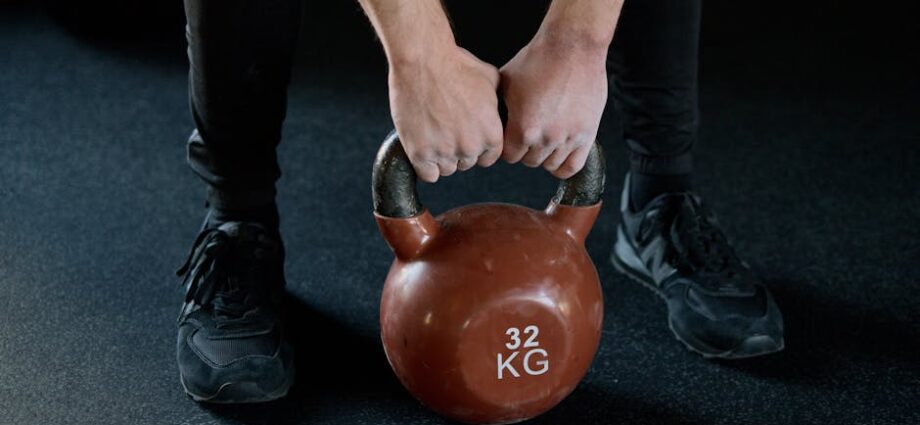
Kettlebell Workout Results After 30 Days: What to Expect
Thirty days is a meaningful chunk of time. It is long enough to build a habit, short enough to stay motivated, and just right for a focused fitness challenge. If you are thinking about starting a kettlebell program and want to know whether one month will actually move the needle, you are in the right place.
The honest answer is yes — most people see real, measurable results after 30 days of consistent kettlebell training. But what those results look like depends on a few important factors: your starting fitness level, how often you train, what you eat, and how well you recover. This post breaks it all down so you know exactly what to expect and how to make the most of your first month.
—
What Happens to Your Body in the First 30 Days
The first month of any new training stimulus triggers a cascade of physical adaptations. Kettlebell training is particularly effective at driving multiple adaptations simultaneously because of its emphasis on full-body, compound movement patterns.
Neuromuscular Adaptation (Weeks 1–2)
During the first two weeks, most of your strength gains come from your nervous system learning to recruit muscle fibers more efficiently — not from muscle growth itself. You will notice you can lift with better control, perform more reps, and feel less awkward with movements like the swing and goblet squat. This is called neuromuscular adaptation, and it is one reason beginners often feel dramatically stronger very quickly.
Muscle Activation and Early Hypertrophy (Weeks 3–4)
By weeks three and four, your muscles begin responding to the training load with early hypertrophy — the actual growth of muscle tissue. You may notice your shoulders, glutes, hamstrings, and core looking slightly more defined. This is also when many people start to notice real changes in the mirror, particularly in the posterior chain, which kettlebell training targets so effectively.
—
Realistic Physical Results After 30 Days
Let’s be specific. Here is what most people genuinely experience after a consistent month of kettlebell training.
Strength Gains
Beginners typically see significant strength improvements within 30 days. Exercises that felt impossible in week one — like the Turkish get-up or a heavy kettlebell deadlift — become manageable with good form. Many beginners move up one or two weight increments within their first month. If you started with a 12 kg bell and struggled, you might comfortably handle a 16 kg bell by day 30.
Fat Loss and Body Composition
Kettlebell training is well-suited for fat loss because it combines resistance training with cardiovascular demand. The swing, clean, and snatch all spike your heart rate while building muscle — a combination that burns a meaningful number of calories per session.
That said, 30 days of training alone will not produce dramatic fat loss without dietary support. Most people who train consistently and eat at a moderate calorie deficit can expect to lose one to two pounds of fat per week. After 30 days, that translates to roughly two to six pounds of fat loss, along with visible improvements in muscle tone. If you want to maximize these results, pairing your training with a kettlebell HIIT workout approach a few times per week can meaningfully increase calorie burn.
Cardiovascular Endurance
This is one of the most noticeable improvements after just 30 days. Kettlebell circuits are demanding on your cardiovascular system, and your body adapts quickly. By the end of the month, sessions that left you gasping in week one will feel significantly more manageable. Your resting heart rate may drop slightly, and you will recover between sets faster.
Core Strength and Stability
Almost every kettlebell movement engages your core. The swing requires bracing at the top. The Turkish get-up demands total-body stability. The goblet squat builds tremendous anterior core strength. After 30 days, most people notice their posture improves, they feel more stable during daily activities, and their lower back feels stronger and more supported. For anyone dealing with discomfort in this area, a focused kettlebell workout for back pain can be a smart addition to your program.
—
What Influences Your 30-Day Results
Not everyone experiences the same outcomes after 30 days, and that is completely normal. Here are the key variables that shape your results.
Training Frequency
Consistency is the single biggest driver of results. Training two to three times per week will produce solid gains for most people. Four to five sessions per week can accelerate progress, but only if you recover well and avoid overtraining. If you are unsure how often to train, this guide on how often you should train with kettlebells is worth a read before you start your 30-day challenge.
Starting Fitness Level
Complete beginners tend to see the most dramatic percentage improvements in the first 30 days because they are starting from a lower baseline. Someone who has been training for years may see subtler physical changes but will still notice performance improvements and new movement skills.
Nutrition and Sleep
Training creates the signal for change. Food and sleep provide the raw materials for that change to happen. Without adequate protein intake — generally around 0.7 to 1 gram per pound of bodyweight — your muscles cannot repair and grow effectively. Similarly, poor sleep undermines recovery and limits the hormonal environment needed for both fat loss and muscle gain.
Program Quality
Following a well-structured program matters more than simply picking up a bell and swinging it around. A good 30-day program includes progressive overload (gradually increasing the challenge), movement variety, and built-in rest days. It targets the full body across the week and includes both heavier strength-focused work and higher-rep metabolic work.
—
A Sample 30-Day Kettlebell Framework
You do not need an elaborate plan to get results. Here is a simple framework that works for most people starting out.
Week 1–2: Foundation
Focus on learning the fundamental movements with a manageable weight. Core movements include:
- Kettlebell deadlift
- Goblet squat
- Two-handed swing
- Kettlebell row
- Kettlebell press
Aim for 3 sessions per week, 20–30 minutes each. Prioritize form over load.
Week 3–4: Build and Progress
Increase the weight slightly or add reps. Introduce more complex movements like the clean, single-leg deadlift, or simple kettlebell complexes. Move to 3–4 sessions per week. Sessions can extend to 30–45 minutes as your conditioning improves.
This kind of structure mirrors what you would find in a longer program — if you want to see how results compound beyond 30 days, a 12-week kettlebell training program gives you a roadmap for sustainable long-term progress.
—
Common Mistakes That Limit 30-Day Results
Avoiding these pitfalls will make a significant difference in what you achieve.
Starting Too Heavy
Ego-loading is one of the most common mistakes. Using a weight that is too heavy for your current strength level leads to sloppy form, increased injury risk, and slower progress. Choose a weight where you can complete all prescribed reps with good technique and a few reps left in reserve.
Skipping Rest Days
More is not always better. Your muscles grow during rest, not during training. Skipping rest days can lead to cumulative fatigue, nagging joint soreness, and stalled progress. Schedule at least two rest or active recovery days per week.
Ignoring Nutrition
You cannot out-train a poor diet. If fat loss is your goal, paying attention to what you eat is non-negotiable. If building strength is the priority, make sure you are eating enough protein and overall calories to support adaptation.
Training Without Progression
Doing the same weight, reps, and exercises for all 30 days will produce diminishing returns after the first two weeks. Progressive overload — gradually increasing the demand on your body — is essential for continued results.
—
How to Track Your Results
Tracking progress keeps you accountable and helps you see how far you have come, even when the mirror does not show the full picture.
Here are effective ways to track your 30-day kettlebell results:
- **Take photos** on day 1 and day 30 under the same lighting conditions
- **Measure body weight** once per week, same time of day
- **Log your workouts** — note the weight, reps, and how the session felt
- **Test a benchmark** — count how many swings you can do in a minute on day 1, then retest on day 30
- **Note energy and sleep quality** — often the non-aesthetic improvements are the most meaningful
—
Conclusion
After 30 days of consistent kettlebell training, most people experience genuine, measurable improvements across strength, endurance, body composition, and core stability. The changes may not be dramatic enough to land on the cover of a magazine, but they are real — and more importantly, they build the foundation for the more significant transformations that come in months two, three, and beyond.
The key is consistency, smart programming, adequate recovery, and progressive challenge. Show up three to four times per week, learn the fundamental movements well, and support your training with good nutrition and sleep. Do that for 30 days, and you will end the month stronger, leaner, and more capable than when you started.
That is a genuinely good return on one month of effort.
—
Frequently Asked Questions
Can I lose weight in 30 days with kettlebell training?
Yes, you can lose fat in 30 days with kettlebell training, especially when combined with a moderate calorie deficit. Most people who train consistently three to four times per week and eat well can expect to lose two to six pounds of fat over the month. Kettlebell workouts burn significant calories because they combine strength and cardiovascular demand in the same session.
How many days a week should I train with kettlebells for best 30-day results?
Three to four sessions per week is the sweet spot for most people. This frequency provides enough training stimulus to drive adaptation while allowing adequate recovery between sessions. Complete beginners may do well with just three sessions in the first two weeks before increasing to four.
Will I build visible muscle in 30 days of kettlebell training?
You will likely see early signs of muscle definition after 30 days, particularly in your shoulders, glutes, hamstrings, and core. Significant muscle growth takes longer than one month, but the neuromuscular adaptations and early hypertrophy that occur in the first 30 days create a visible tightening and toning effect that many people notice, especially if body fat is also decreasing.
What kettlebell weight should a beginner use for a 30-day challenge?
For most beginners, a 12–16 kg (26–35 lb) kettlebell works well for men, and an 8–12 kg (18–26 lb) bell suits most women starting out. The right weight allows you to complete all reps with good form while still feeling challenged. If every set feels easy, you are probably too light. If your form breaks down, go lighter.